When I posted my first blog about the EBBA Anniversary Conference I didn’t anticipate such a long delay between first and the second, but I guess that sometimes life just gets in the way. Anyway, here is my second post about my first ever trip to the States, of which I have some very fond memories!
After lunch, there was a session on The Intermodal Broadside Ballad. Erik Bell talked about the metric emphases in the EBBA ballads – the way that what the singer does affects the meaning of the words. Among some really interesting points about musical hierarchy, he pointed out that metre is different for poetics and for music, because music has a temporal aspect. Kevin Murphy then described his research into ‘Mary Robinson A life in multimedia’. This was a fascinating account of a woman who lived in Buttermere, in the English Lake District and captivated many people including Wordsworth and Coleridge. She became the centre of a bigamy scandal which appeared in cheap print, novels and pamphlets. Her husband John Hatfield was not divorced from his first wife. He was able to mimic the manners of the ete-performing gentility. Hatfield was actually hanged for forgery, but word at the time suggested that he received the harshest punishment because of how badly he treated Mary. But the scandal was also enmeshed in the world of print – Hatfield had heard of her and went to Buttermere in order to find her because of her reputation in print.
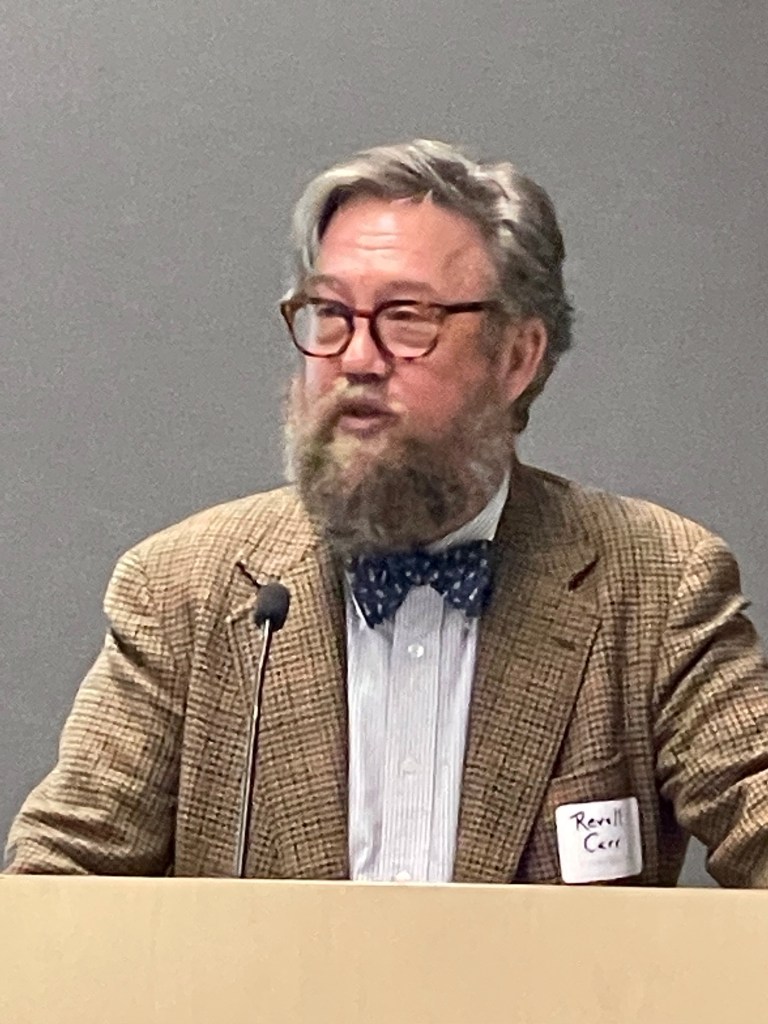
The last formal session of the day was our first keynote, Revell Carr, on “A Science Peculiarly Productive of Pleasure’: On the Importance of Singing and Listening to Ballads”. This was one of my favourite sessions of the weekend. Carr is a seasoned performer and this was a thoroughly enjoyable talk. Revell noted that the lines between folk and broadsides, prints and orality are not rigid and are porous. Nevertheless, ballads can be problematic for scholars, because they are not high art, while they are too commercial for folklorists. Although they are often studied as text, they were intended to be sung and therefore they form an integral part of the soundscape. He suggested that you need to hear and see them sung as an embodied performer in order to understand them fully. When we read ballads, we can skip words, but when we sing we have to slow down and allow the ballad to progress at the pace of the tune, and pay attention to every word. We can only understand the song through the singer and the singer’s approach to the meaning.
After this came the conference dinner, during which we got a slightly alarming text alert of severe weather:
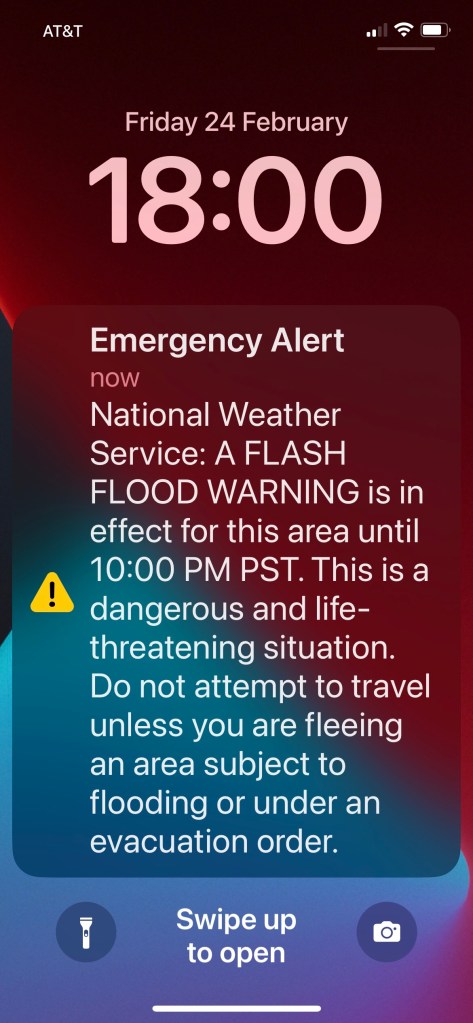
Well, we had had absolutely torrential rain most of the day!
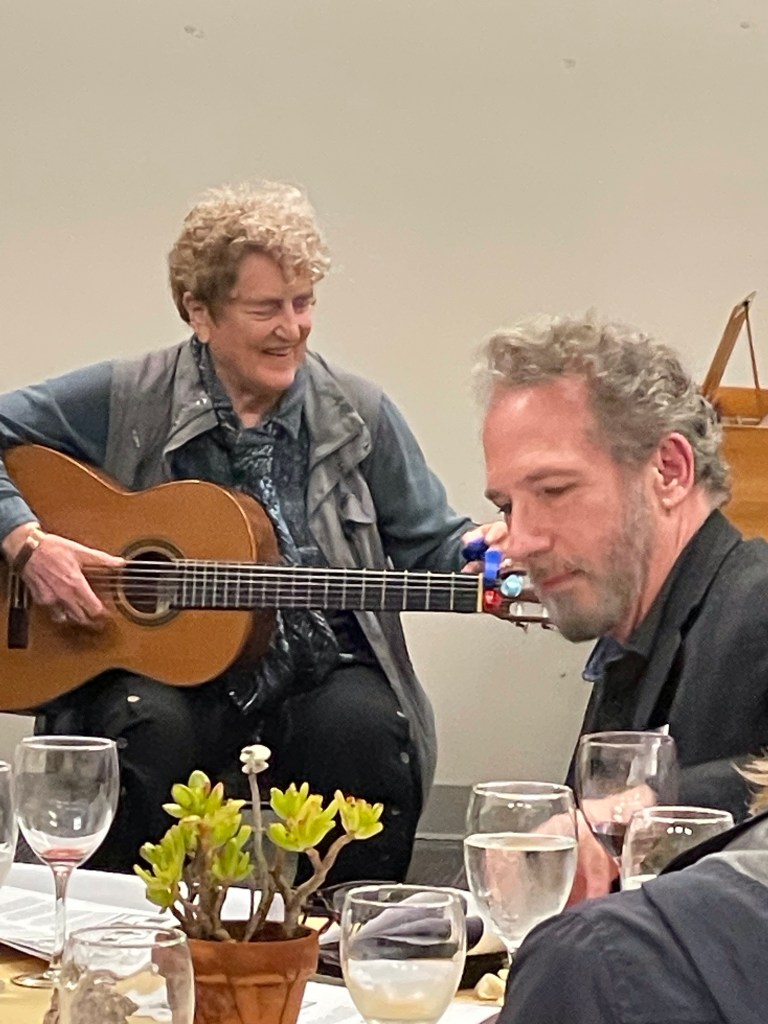
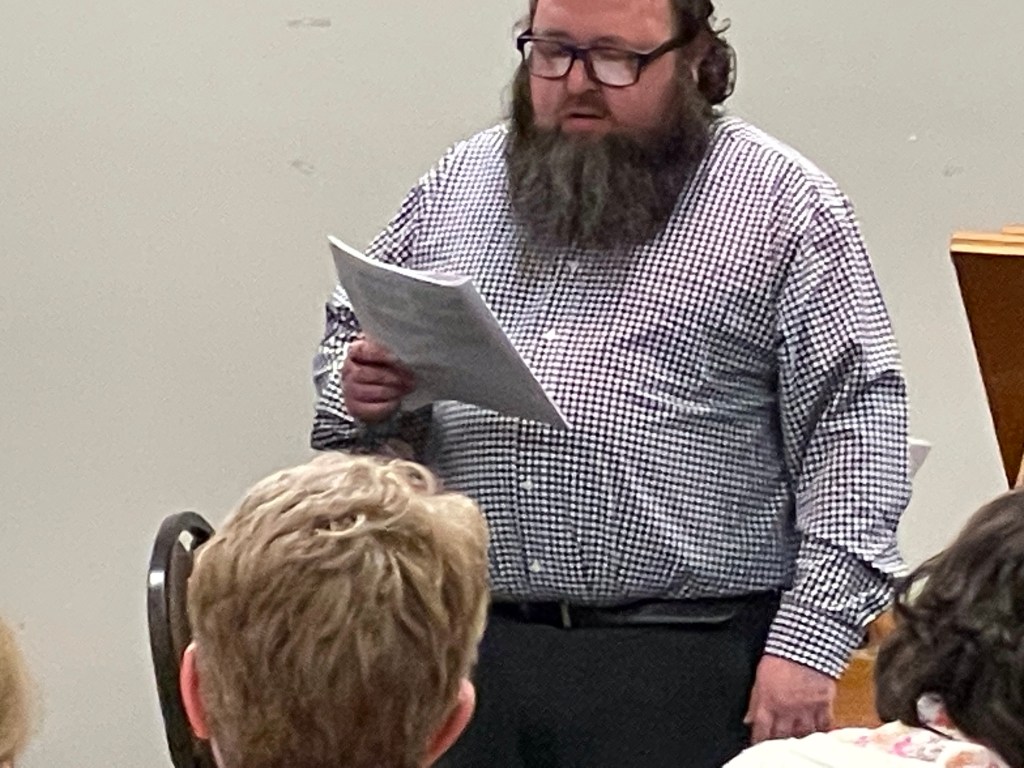
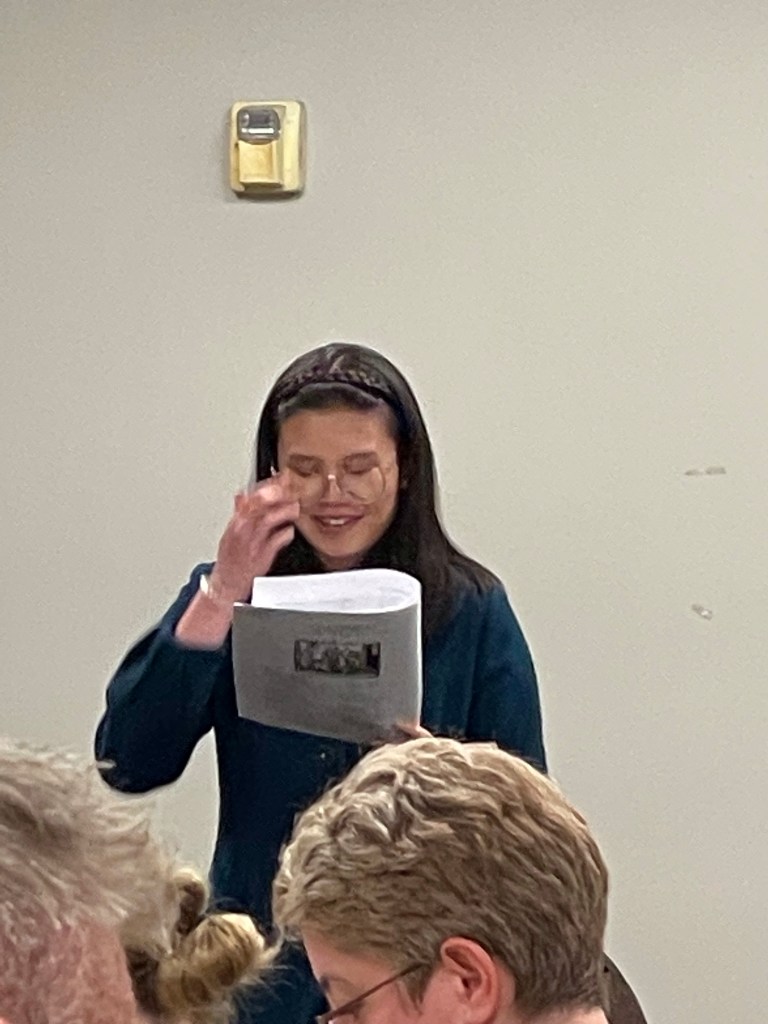
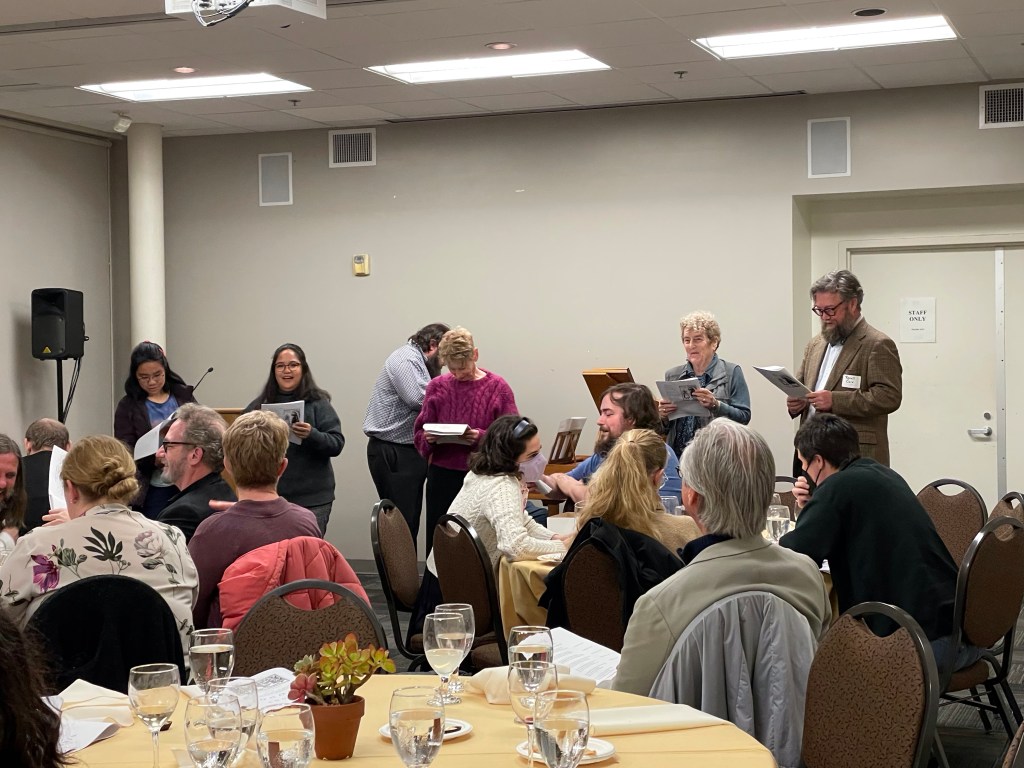
Dinner was absolutely delicious and the company was delightful. Following the dinner, there was a fantastic ‘Night of Song’, and a few of us went back to the hotel and had a drink together before bed.
 Home
Home 
Leave a comment