
This list of talks is indicative only – please contact me to discuss your requirements.
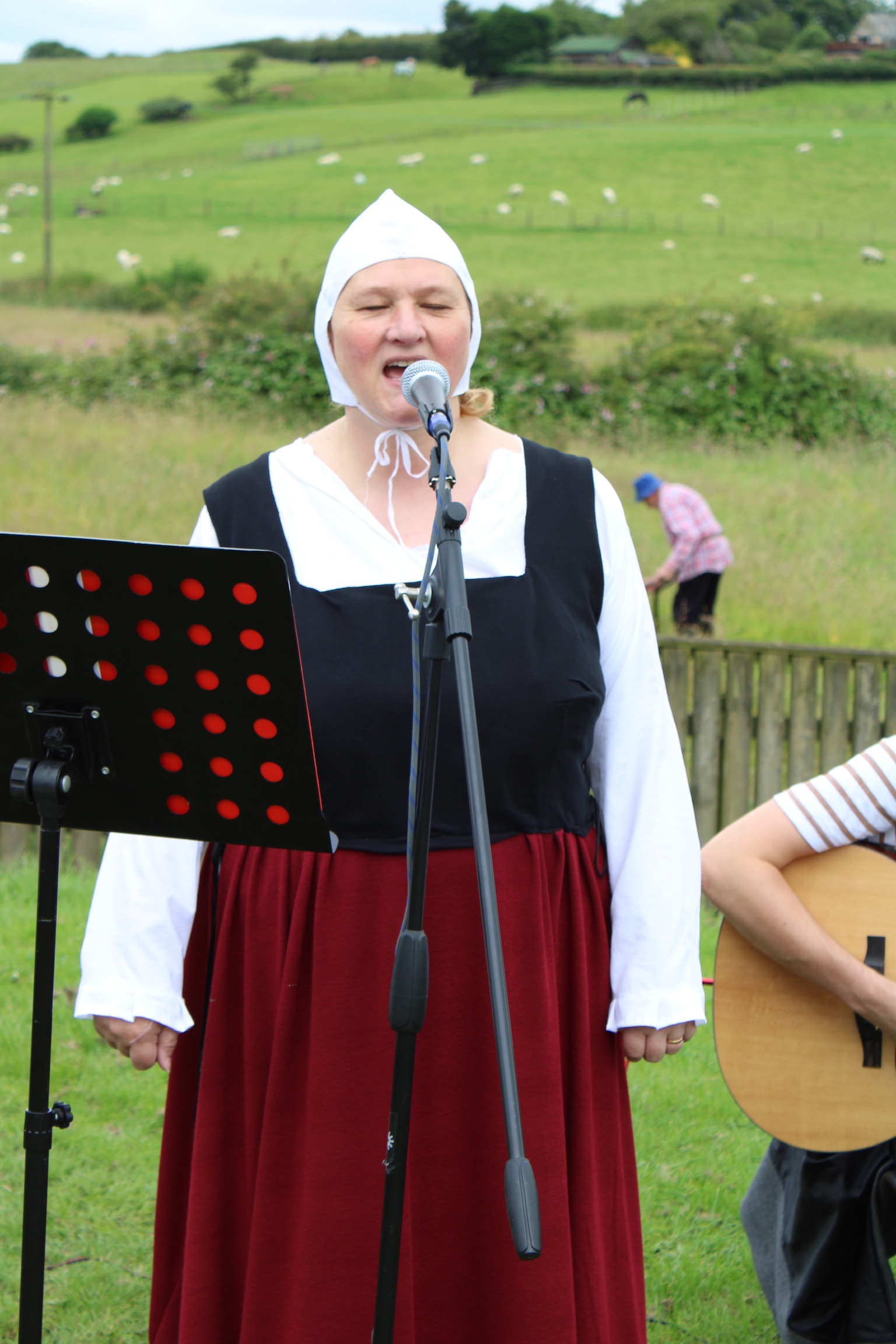
My talks often contain live singing, and can be adapted for history societies, community groups, teachers and students.
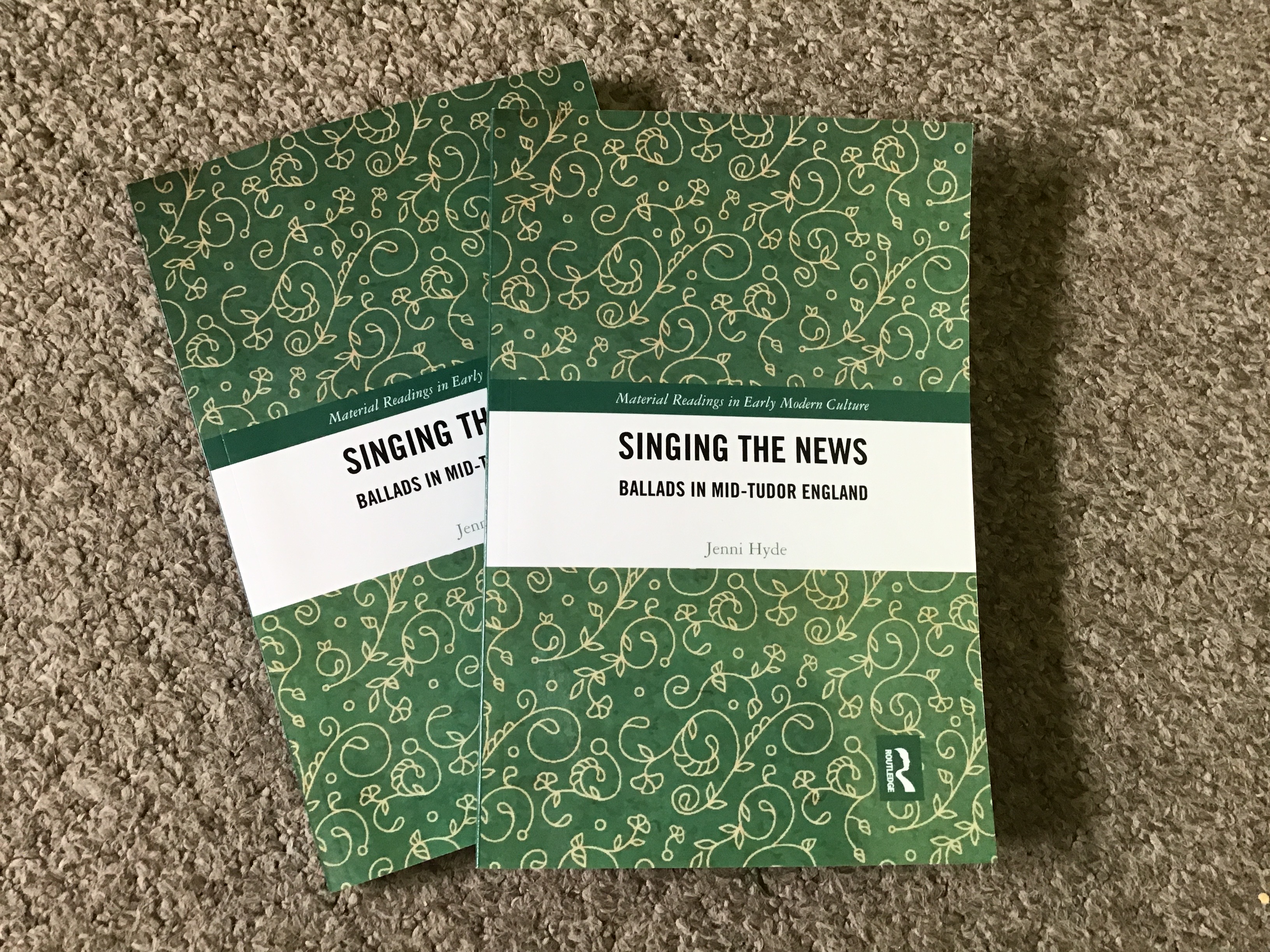
Singing the News: Ballads in Mid-Tudor England
The simple words and unpretentious tunes of sixteenth-century ballads meant that they were accessible to everyone, making them an important resource for the reconstruction of popular attitudes to a wide variety of subjects. In the absence of a periodical press, these memorable songs used rhyme and melody to sell stories and news. This talk uses live musical examples to demonstrate how the performance of ballads enabled debate about current affairs, despite restrictions on free speech.
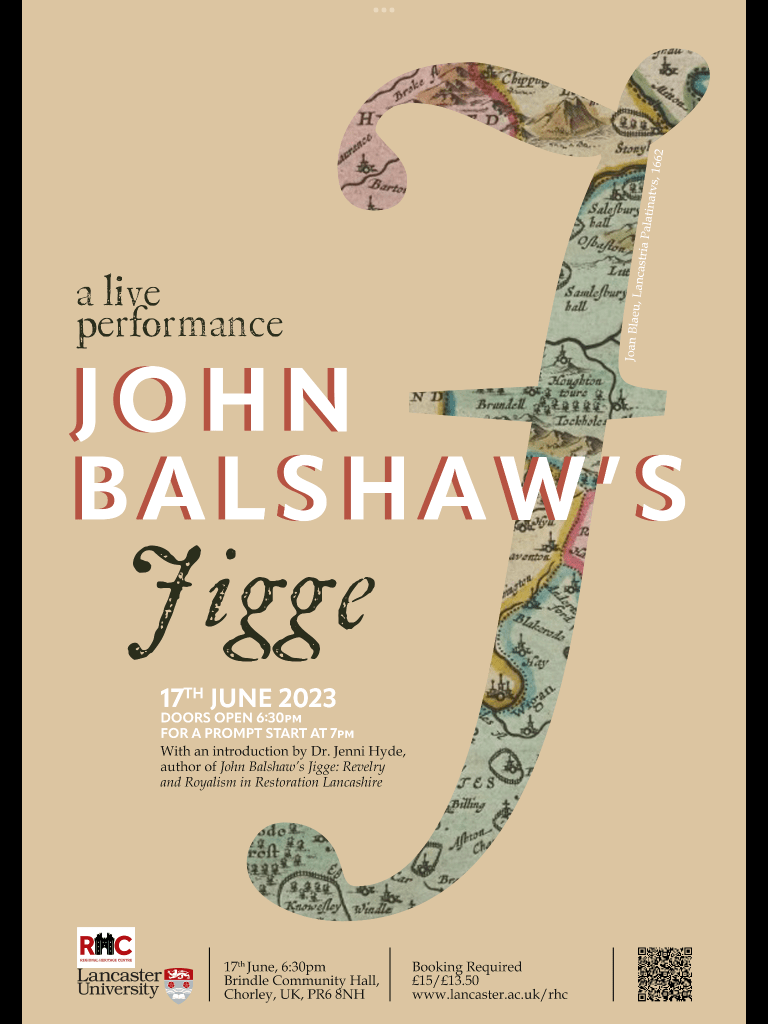
John Balshaw’s Jigge: Revelry and Royalism in Restoration Lancashire
John Balshaw’s Jigge, a little-known manuscript held by the British Library, was written in the small village of Brindle, Lancashire, at the time of the Restoration. This exciting document is one of the latest known examples of a stage ‘jigge’, a form of musical entertainment which had been particularly popular in the Elizabethan period. It combined words, music and dance into a spectacular whole. This jig is particularly noteworthy because of its Lancashire setting and its Civil War context. This was a time of unprecedented upheaval which reached every community in the country, dividing families and friends along religious and constitutional lines. This lecture explores not only the songs and the story, but also the local context of this outstanding manuscript.
For those with AV equipment, this talk can be illustrated with extracts from a live performance of the jigge.
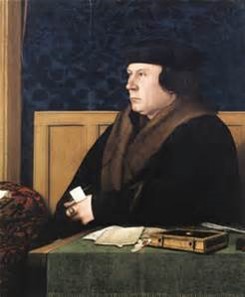
Thomas Cromwell, Ballads and the Pilgrimage of Grace
On Monday 30 October, 1536, all men between the ages of 16 and 60 were called to muster on Clitheroe Moor by 9am. The commons who responded to the call joined the most serious rebellion of the Tudor period, The Pilgrimage of Grace. Their complaints were centred on the person of Thomas Cromwell, Henry VIII’s chief minister. He was seen as the architect of a religious and social policy which had had a direct impact on local affairs, not least in the dissolution of the abbeys at Whalley and Sawley. This talk explores what ballads, verses and prophecies can tell us about the rebels’ grievances and why Thomas Cromwell believed them to be important in inciting the commons to rebellion.
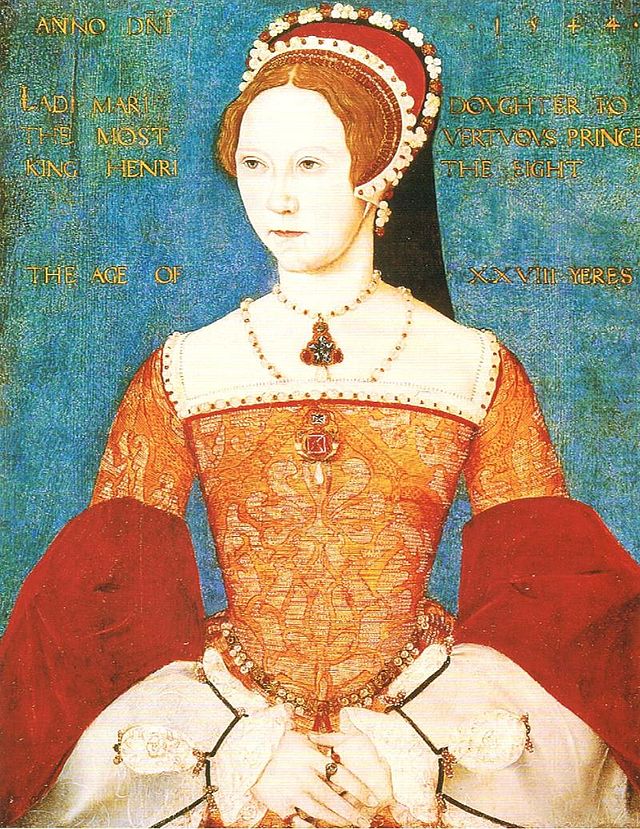
Two Maries and Elizabeth: Liege Ladies in the Sixteenth Century
Broadside ballads played a significant role in shaping public perceptions of the accessions of Mary I, Elizabeth I, and James VI of Scotland to the English throne. This talk suggests that dynastic legitimacy was a central theme in popular sentiment during these transitions. It reevaluates traditional views of Tudor iconography, contrasting the positive portrayal of Mary I’s femininity in England with the negative depictions of Mary Queen of Scots in Scotland. The article further suggests that the issue of femininity was less prominent in discussions of Elizabeth I’s reign because Mary I had already normalized the concept of a female monarch.
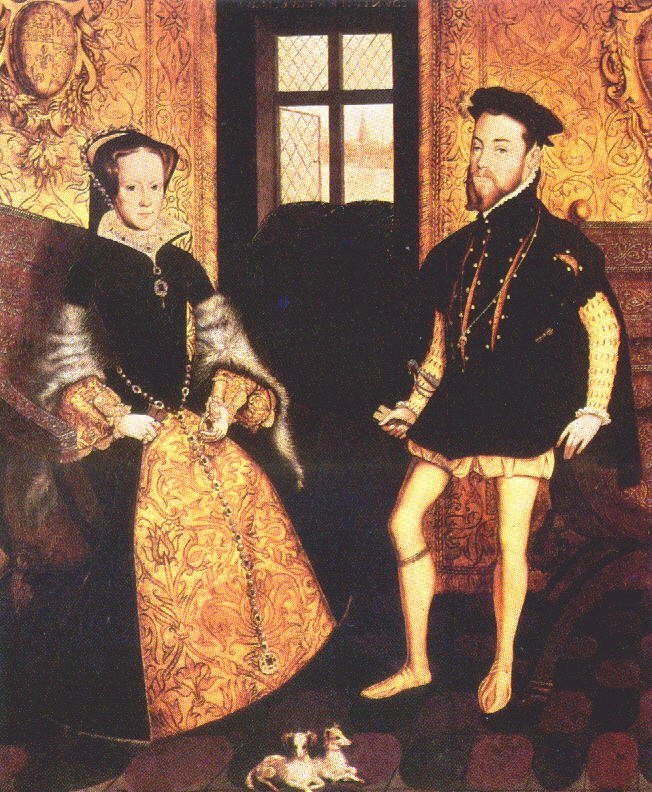
Popular Propaganda: John Heywood’s Wedding Ballad for Mary I and Philip of Spain
In 1554, John Heywood published a wedding ballad for Mary I and Philip of Spain. Modern critics complain about the poor quality of its poetry and lambast its tortured imagery, however, it was a highly effective popular song intended to spread propaganda defending the queen’s Spanish match. The song performed an excellent job of addressing complex constitutional issues through a quintessentially popular genre. Furthermore, this talk proposes that the song was deliberately set to the melody for ‘Pastyme with good companye’, a song closely associated with Mary’s father, something which was crucially important for understanding the song and its reception.
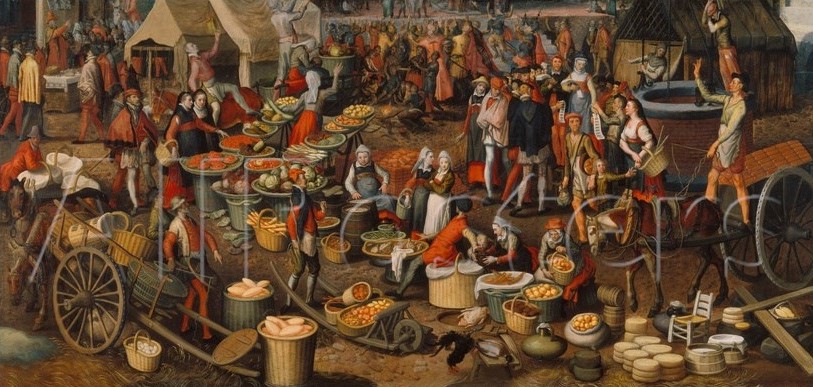
Tudor Voices
Find out why and how news was spread through songs in Tudor England. Join in and learn pop songs from the time of Elizabeth I and Shakespeare.

A History of the Reformation in 5 Ballads
The English Reformation was a time of uncertainty which saw the rapid development of confessional identities – people began to see themselves and others as either Protestant or Catholic. This session will look at how these changes were reflected in popular song, taking 5 examples from across the Tudor period.
This musical talk is especially suitable for schools and teachers.
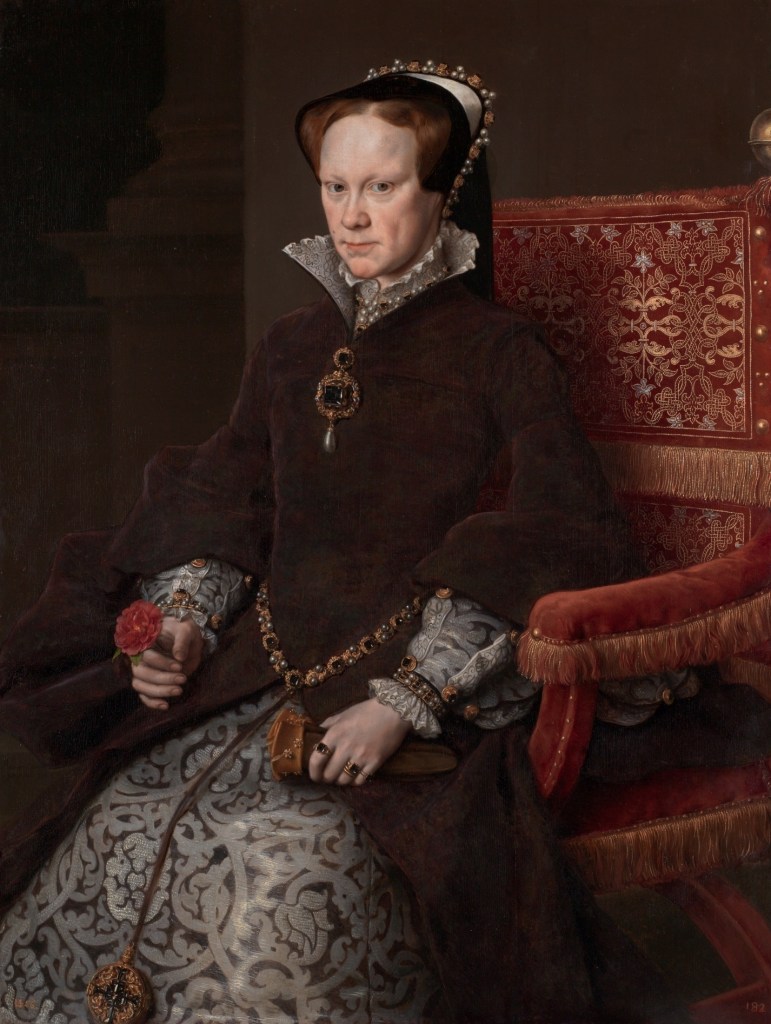
Bloody Mary? Re-evaluating the first Tudor Queen
Mary I’s reputation as an emotionally unstable woman unfit to rule has been comprehensively debunked in recent years. Taking a number of popular songs as its starting point, this talk examines recent historiographical developments in the study of Mary I, and shows that Mary was far more successful than traditional historical opinion has allowed.
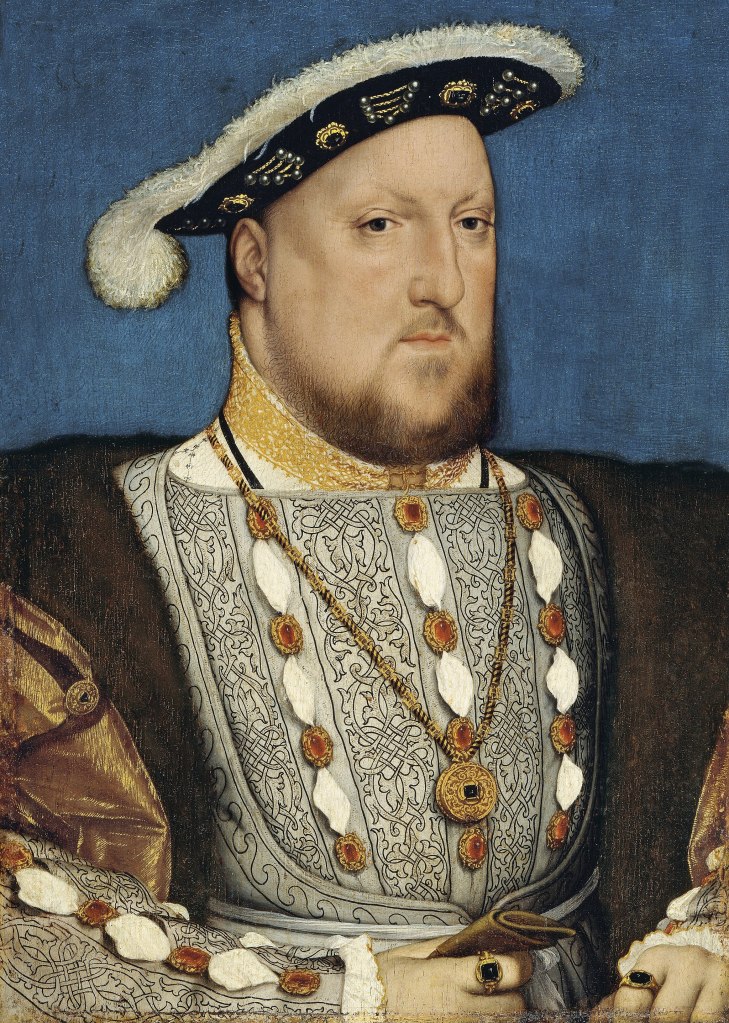
The King’s Great Matter
Henry VIII’s campaign to end his marriage led to England’s break with the Roman Catholic church and changed the religious and cultural direction of the country. This talk explains just why it was so important to Henry that he set his marriage aside and explores the affair from the perspective of the two women at the heart of the story: Katherine of Aragon and Anne Boleyn.
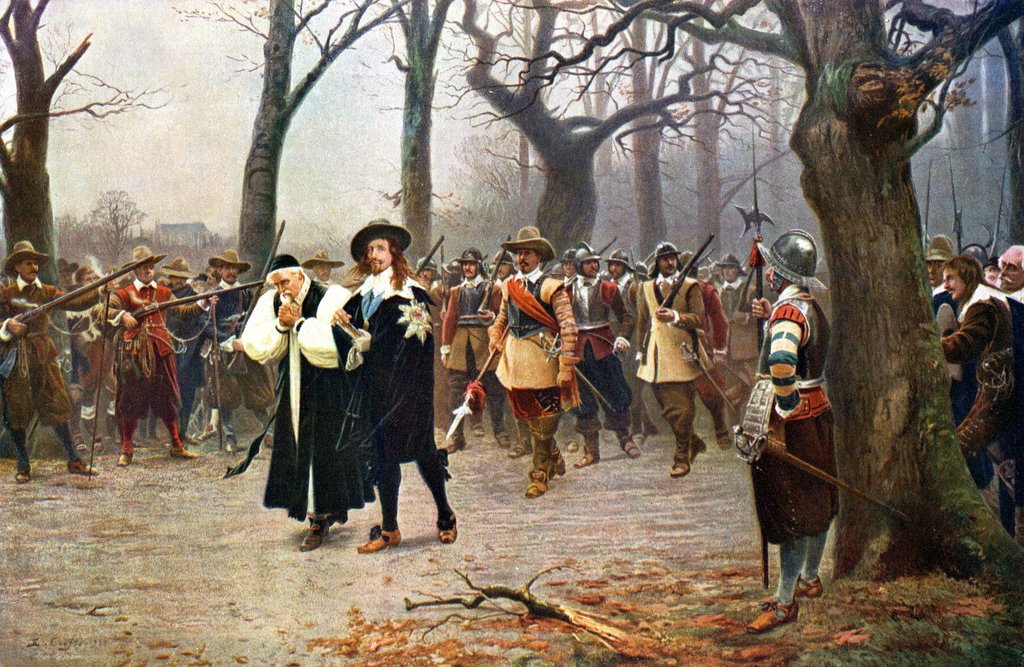
Killing a King: The Execution of Charles I
King Charles I is a rare thing in English history, and not just because he ended his life on the executioner’s block. Rarely are historians so outspoken as to accuse an English monarch of “an awe-inspiring degree of crass stupidity”, but that is what Keith Brown did in an article for the English Historical Review 1989.
This talk explores the reasons why it was impossible for the king and parliament to end the civil war with a peaceful settlement, and just how England came to execute a reigning monarch for treason.
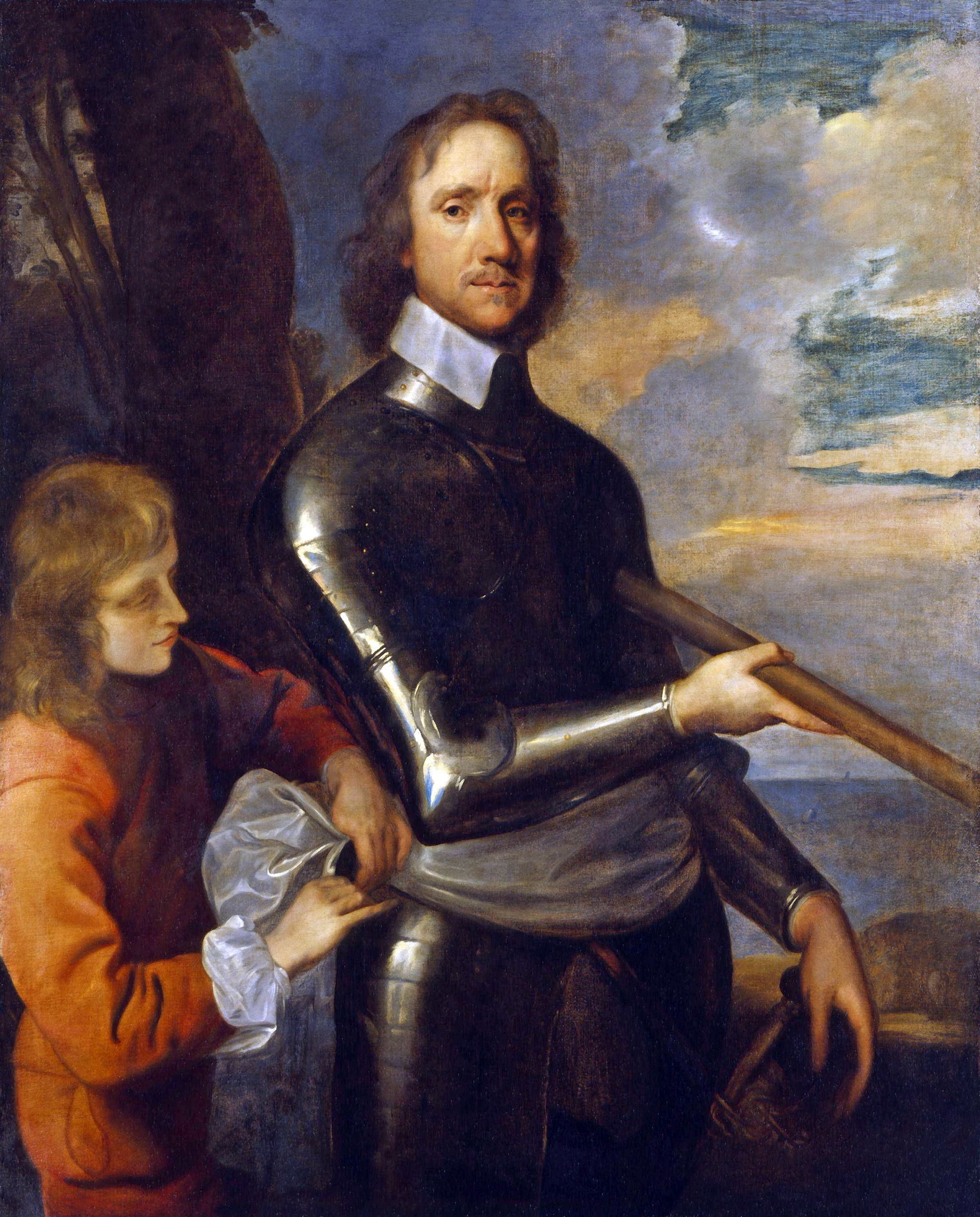
The Failure of the English Republic
This talk will look in more detail at the repercussions of Charles I’s execution. By exploring in turn each attempt at government during the Interregnum we will establish the causes of its collapse and why Charles II was invited to return to take power in 1660.
 Home
Home 