This is the second in a short series of posts about my trip to Utrecht, to the EDPOP conference: European Dimensions of Popular Print Culture: A Comparative Approach.


 After the various opening and introductory sessions (which took more than 3 hours), it was time for Session 1: The circulation and materiality of parodic and comic literature in Northern Europe, co-ordinated by Katell Lavéant and chaired by Malcolm Walsby. The first speaker was Ruth von Bernuth on ‘Shared books and laughter: the Schildbürgerbuch in German and Yiddish’. The Schildbürgerbuch is a very funny story based on Thomas More’s Utopia, describing what happens when one town’s attempt to construct a reformist and ideal society goes wrong. Ruth described how the story was subtly altered when a Yiddish edition was published in Amsterdam. She noted, for example, the residents of the ideal city Laleburg bathe on Sunday in the Yiddish edition rather than Saturday and they eat beef rather than pork, but that there are inconsistencies, as they still go to church!

Ruth was followed by Cécile de Morrée and Rozanne Versendaal who spoke about ‘Recurring interest in joyful songs and summonses: Reflections on a variety of shapes and sizes’. This paper was based on their work on the Uncovering Joyful Culture project held up a lot of aspects of joyful songs which were familiar to me from my work on ballads. Cécile and Rozanne pointed out that often, the texts come from elite culture and are adapted for popular audiences, that the song books might contain tune references but not usually notation and that they were also spread in manuscript. They argued that youth was a significant market for their type of print, which was quite interesting.
 Following a short break, we moved on to Session 2, Popular medical books in Europe, which, if I’m honest, I didn’t think would interest me all that much. How wrong I was!
 Sandra Cavallo then talked about ‘Genres of medical didactic literature and medical culture in early modern Italy’. She pointed out that although utilitarian texts and self help books had been widely used in research, it might be worth looking at how they talk about medicine as well as what they actually recommend as medical practises. The final paper of the day was given by Hana Jadrná Matějková on ‘Early Modern midwifery books from German speaking regions and the Czech Lands between Scholarship and practice’. She argued that print allowed men to penetrate women’s field of midwifery and obstetrics, first in print and then in practice. She challenged the view that these books were owned by midwives, pointing out that there is no evidence of their annotation by midwives in England. Whereas women learned their craft from other women, men’s practical experience was limited to Caesarian sections on dead mothers and the removal of dead babies from the womb.

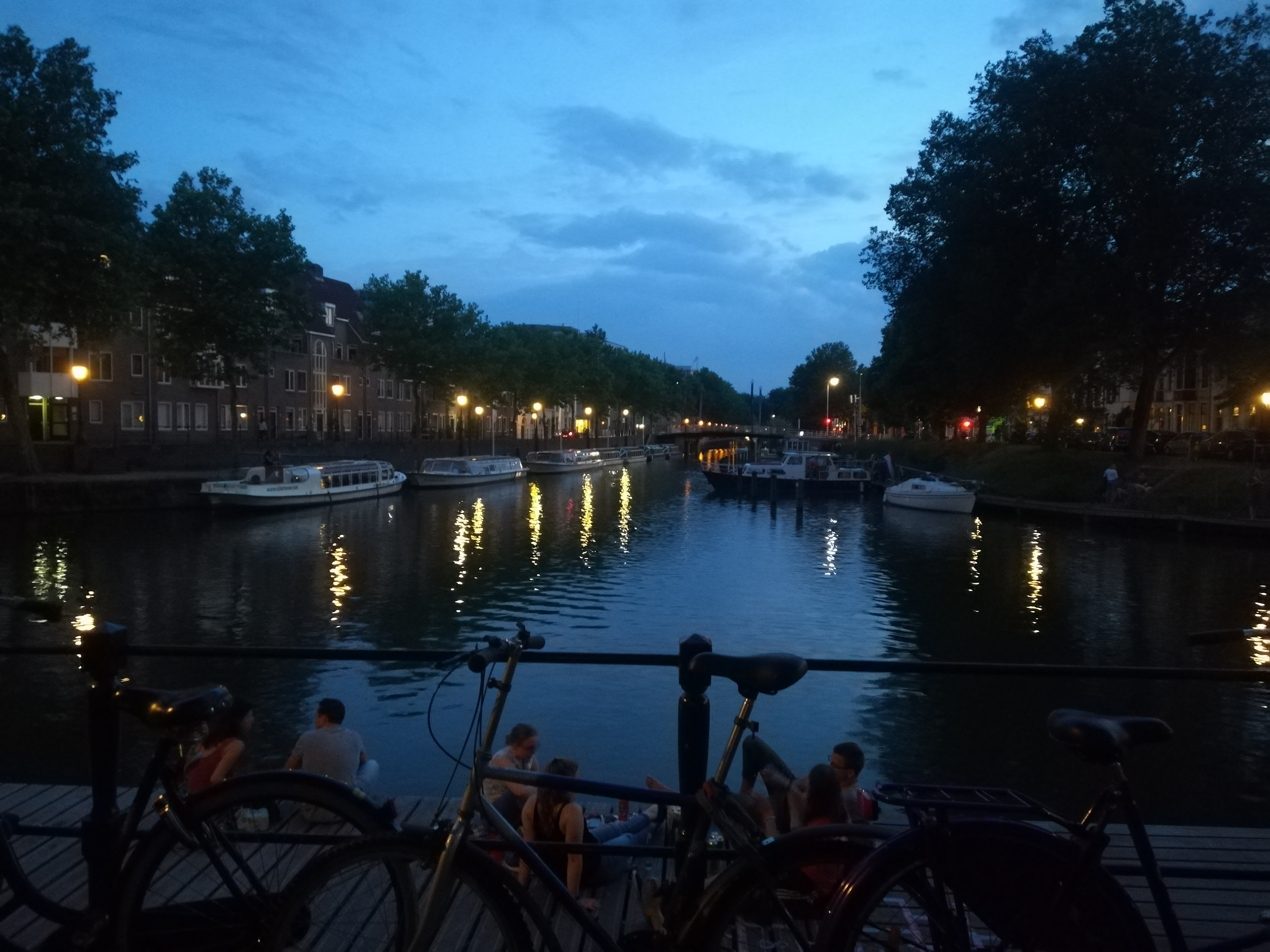
After a short presentation by Julia Martins and Andrea van Leerdam, it was time for the
 Home
Home 
Leave a reply to Fun Palaces | Jenni Hyde Cancel reply